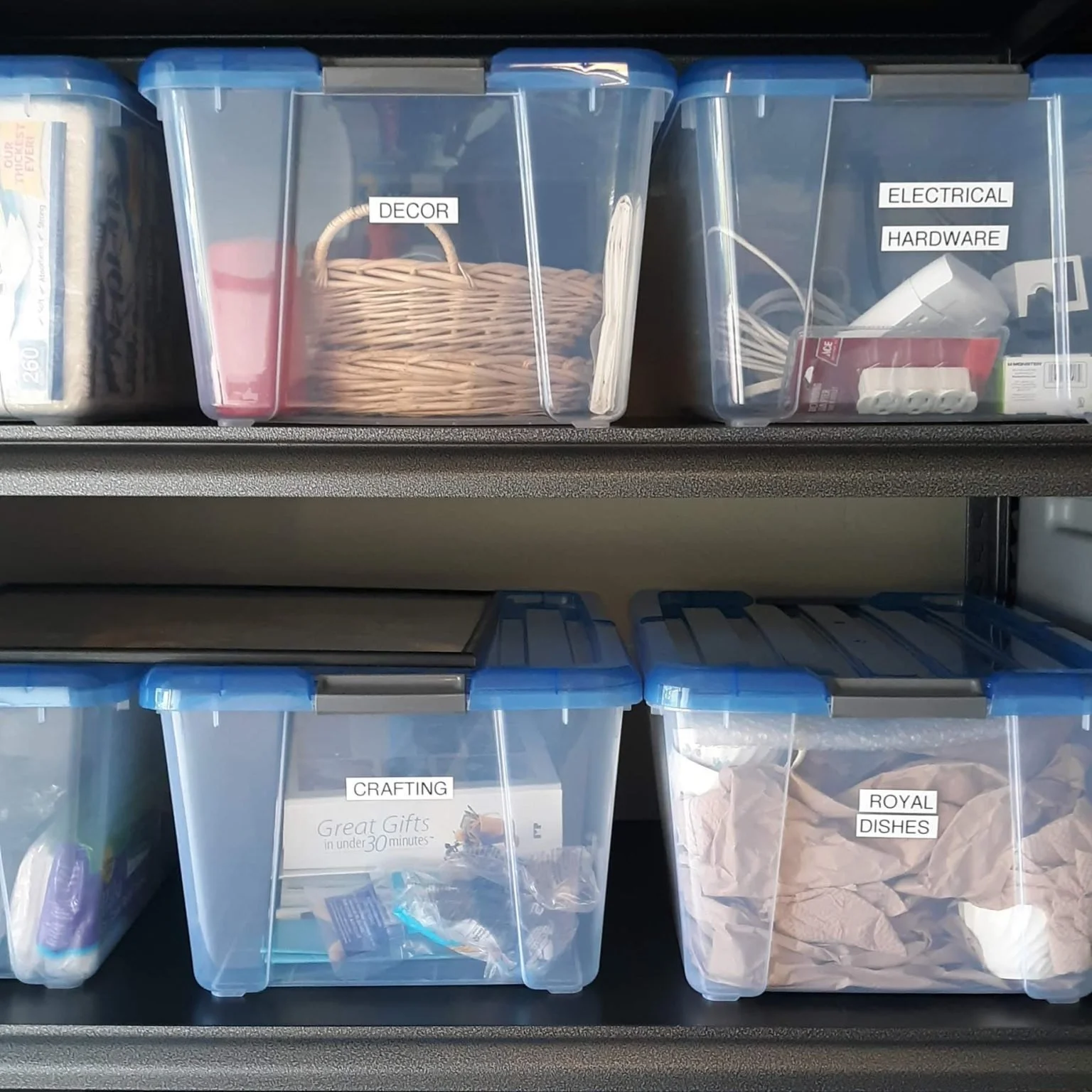
Storage isn't just about finding a place to put things. It's about knowing what you have, keeping the things you use accessible, and storing the belongings you want to keep without letting them take over your home.
In my years as a professional organizer, I've worked with homeowners who have plenty of storage space but still struggle with clutter. The problem often isn't a lack of shelves or containers. It's having too many things without a clear plan for where they belong.
At Girl With A Truck™, we help clients make better use of their spaces by creating practical organizing systems that fit their homes and lifestyles.
Whether you're organizing a kitchen cabinet, clearing out your garage, or managing a storage unit, a good place to start is understanding what type of storage you actually need.
Know the Three Types of Storage
Not everything you own needs to be stored the same way. Think about how often you use an item and how easily you need to access it.
1. Everyday Storage
These are the things you use regularly and need to reach easily.
Think kitchen cabinets, bedroom closets, bathroom drawers, and office supplies. Keep frequently used items in convenient locations. If you have to move several things just to reach something you use every day, your system may need adjusting.
Small daily habits also make a difference. In my experience, clutter often builds up because items don't have designated homes or get put down instead of put away. Read 3 Everyday Habits That May Be Making Your Home Harder to Organize for simple ways to prevent everyday clutter.
2. Short-Term Storage
These are items you don't use daily but still need occasionally, such as seasonal decorations, extra household supplies, sports equipment, and tools.
Garages, sheds, attics, and utility closets often serve this purpose. Group similar items together and label containers so you can find what you need without unpacking everything.
3. Long-Term Storage
These are belongings you rarely need or don’t fit into your current space, but you intend to keep. They may include family keepsakes, important documents, extra furniture or artwork.
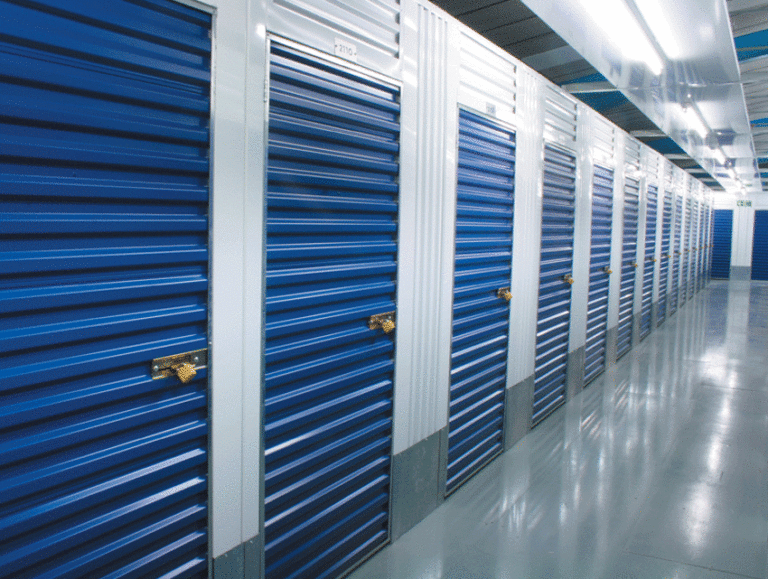
If you're paying for an off-site storage unit, take time to review what's inside. Are you still using or genuinely planning to keep everything? Remember, storage costs money, and those monthly expenses can add up.
Downsize Before Buying More Storage
One common mistake is buying bins, shelves, and organizers before deciding what actually needs to be kept.
More containers don't necessarily mean a more organized home. Sometimes they just give clutter a new place to hide.
Before purchasing anything, try these steps:
Create a realistic decluttering schedule. Work on everyday spaces in 15-minute increments and set aside time for larger areas like the garage, attic, or storage unit when you have a full day available without distractions.
Start with easy decisions. Let go of things you no longer use, need, or enjoy. Save sentimental belongings and important paperwork for when you have more time.
Ask for help when needed. A trusted friend or professional organizer can help you stay focused and make progress without feeling overwhelmed.
If you're preparing for a move, start downsizing as soon as you know you'll be moving. Giving yourself enough time to sort belongings makes it easier to decide what should come with you.
I've seen how much easier a move can be when clients make these decisions before packing begins. For practical ideas, read Tips to Downsize Before the Move.
Make Better Use of the Space You Already Have
Once you've decided what to keep, look at how you're using your existing storage.
Think Vertically
Walls and unused vertical space can make a big difference, especially in smaller homes.
Consider:
Adding adjustable shelving inside cabinets.
Installing sturdy shelves in garages and storage areas.
Using hooks to hang items in closets, cabinets, and workspaces.
Adding shelf risers to create extra levels in kitchen and bathroom cabinets.
Using slim hangers to make better use of clothing closet space. Unless you have ample hanging space, bulky wooden hangers are best used for heavy coats hung in the entryway closet.
Choose storage solutions that fit your needs and are easy to maintain. You don't need to fill every available space. The goal is to make your belongings easier to access.
Protect the Things You're Storing
Organizing isn't just about fitting everything into a container. You also want to make sure your belongings stay in good condition.
Here are a few things to keep in mind:
Keep storage areas clean and dry. Remove dust and cobwebs, check for leaks, and keep belongings off the floor when possible.
Choose containers carefully. Use sturdy bins with secure lids for stacking. In areas prone to moisture, choose containers that help protect their contents.
Watch temperature and humidity. Dampness can lead to mold and mildew, while extreme heat can damage certain belongings. Climate-controlled storage may be worth considering for sensitive items.
Store furniture properly. Use clean moving blankets or old sheets to protect stored furniture from dust and scratches. Avoid wrapping furniture completely in plastic in places where condensation can build up.
Protect rugs and important papers. Clean rugs before rolling them for storage. Use appropriate archival materials for photographs, artwork, and important documents.
It's also a good idea to check your garage, attic, basement, or storage unit periodically, especially after heavy rain. A small leak can cause significant damage if it goes unnoticed.
For a helpful reminder to review your home throughout the year, take a look at our Seasonal Home Organizing & Moving Checklist.
Create Storage Systems That Work for YOU.

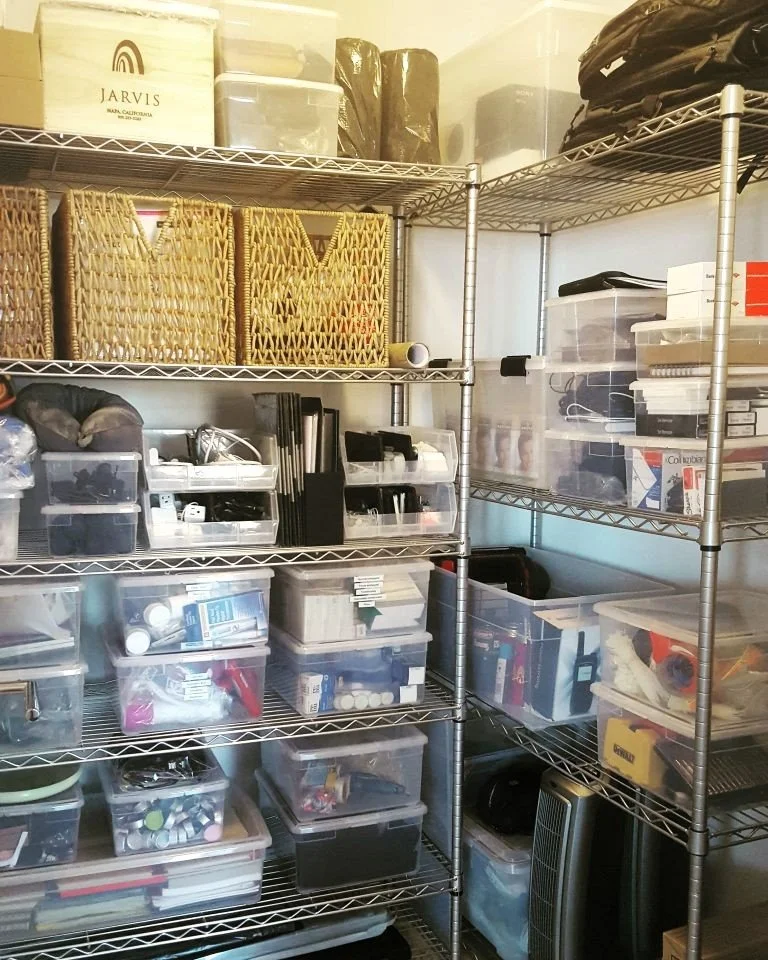
A storage unit we organized for a client that wasn’t ready to let go of her life-long collection of books, collector items, and memorabilia, but also did not have space in her new home for them. Items are protected in bins with lids from potential critters and rainy day leaks in this outdoor storage facility. Each bin is stacked on it’s own shelf space to make it easy for our client to access over time as she looks through them for what she wants to keep and downsize.
Good storage should make everyday life easier, not give you more places to hide things you don't use.
At Girl With A Truck™, we believe an organized home starts with understanding the people who live in it. The best storage solutions are practical, accessible, and suited to your daily routines.
Whether you're looking to organize a few rooms or make better use of your entire home, start by deciding what you truly need to keep, where those belongings should live, and how often you'll need to access them.
You don't have to tackle everything at once. Start with one drawer, one closet, or one storage area. Small, consistent steps can make a lasting difference.
If you need help creating a more functional home, contact Isabella Guajardo to learn more about our professional organizing services.
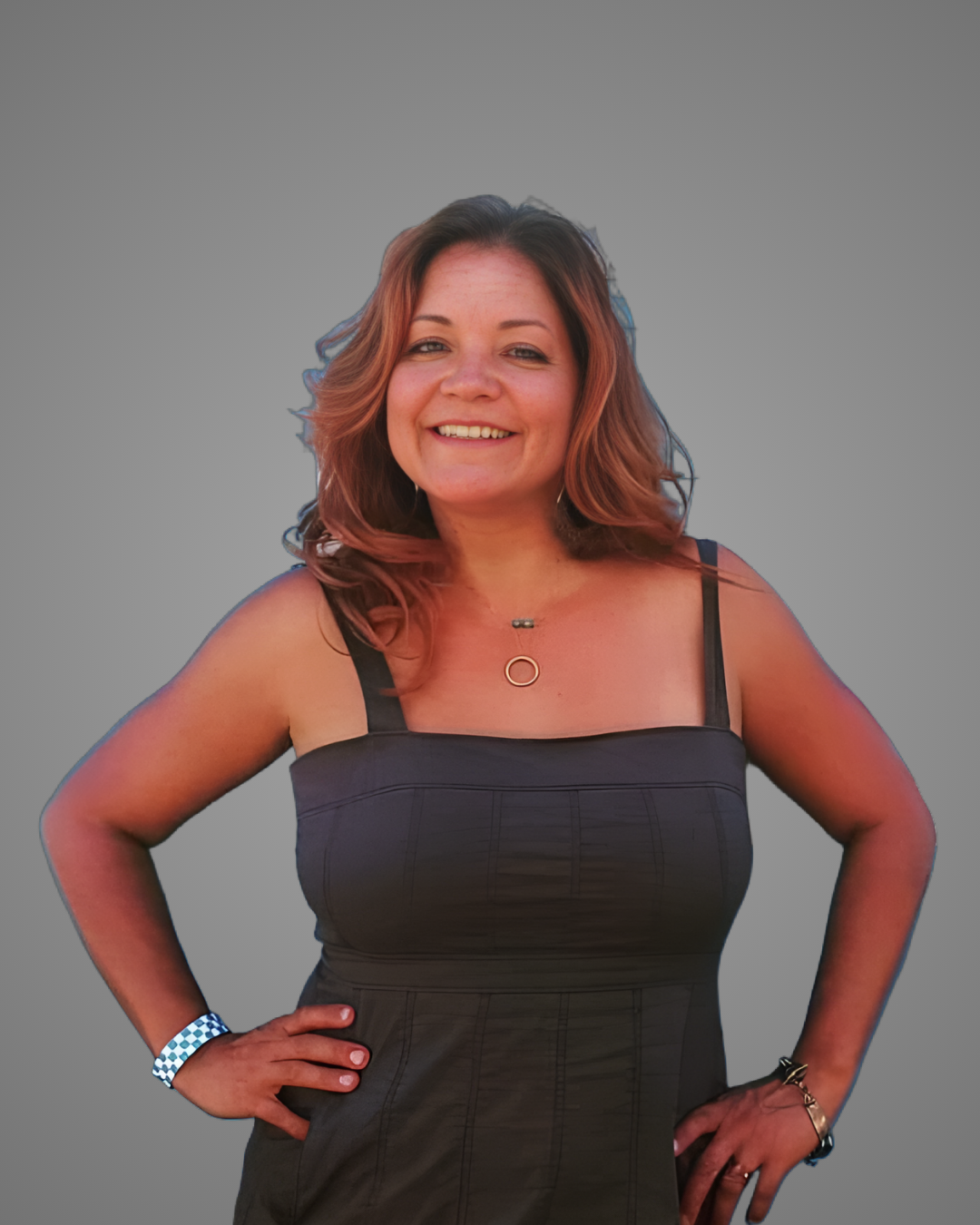
Isabella Guajardo, founder and owner of Girl With A Truck™ & Bella Organizing, is a San Francisco Bay Area professional organizer offering home organizing, Biophilic Design, and residential move management services throughout the Greater San Francisco Bay Area since 2007.
Call (510) 229-7321 or reach us through our contact page. Gift certificates are available.
Follow our Bella Organizing & Girl With A Truck projects: Facebook | Instagram Bella Organizing: Facebook | Instagram